After FPL rate hike, how would governor candidates address utilities?
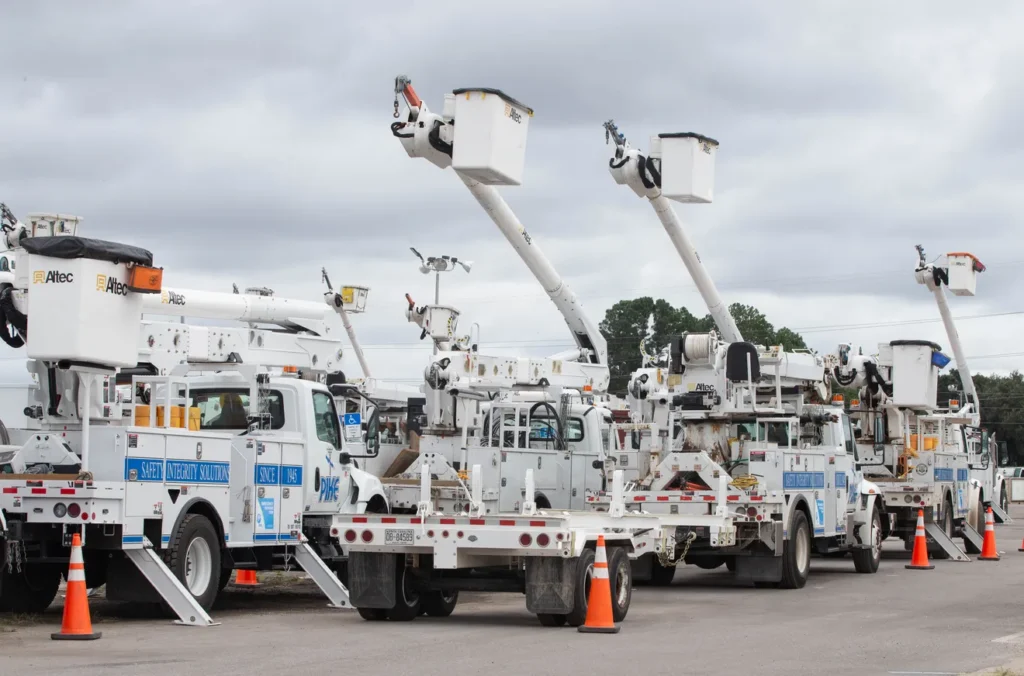
The issue includes state utility regulators approving a rate hike for Florida Power & Light.
Most major declared candidates for governor have pledged to bring costs down across a range of areas hitting Floridians’ wallets – insurance, taxes, health care and education.
But they haven’t specifically mentioned how they’ll address utility rates.
One exception is Democrat David Jolly, a former Republican member of Congress who says regulators and the GOP-controlled Legislature have been “captured” by the industry they oversee.
David Jolly announces in an interview with the Tallahassee Democrat that he is running as a democratic candidate for the Governor of Florida on Tuesday, June 3, 2025.
“At the root of this is a corrupt campaign finance system in the state of Florida that needs to be tackled,” Jolly told the USA TODAY Network – Florida Capital bureau in an interview.
State utility regulators approved a rate hike for Florida Power & Light on Nov. 20, adding up to $7 billion to electric bills for nearly 6 million accounts and 12 million residents over the next four years.
In addition to campaign finance reforms, Jolly wants to cap the return on equity, or profitability, Florida’s major utilities are allowed to gather from customers to the national average. The latest FPL rate increase allows for an ROE of 10.95%, while the national average for rate cases decided in 2024 was 9.74%, according to S&P Global Energy.
The rate hike means a residential customer in FPL’s traditional coverage areas outside of Northwest Florida with 1,000 kilowatt hours per month will see their monthly bills increase by $2.50, to $136.64, starting in 2026 and will rise further the next three years. FPL’s newer customers in Northwest Florida will see an initial decrease next year before rates rise again.
The increase arrives as residents already are coping with surges in property and auto insurance, property taxes, inflation on grocery items and a pending spike in health care premiums for Affordable Care Act policies. And candidates for office from both major parties are attempting to grab the mantle of “affordability,” building reducing costs into their platforms.
“Florida families are being crushed by rising costs, and any policy coming out of Tallahassee must start with one simple question: Does this make life more affordable for the people who live and work here?” said Danielle Alvarez, campaign manager for U.S. Rep. Byron Donalds, the leading Republican candidate for governor.
“As governor, his approach will put families and seniors first. That’s because Byron’s goal is simple: protect consumers drive down costs and make Florida a more affordable place to live.”
President Donald Trump hosts Sen. Ashley Moody and Rep. Byron Donalds (R-FL) at the White House on May 21, 2025, in Washington, D.C.
Nine months away from the primary election and 11 months away from the general election, campaign platforms are sparse on details but most are pledging to bring costs down or keep them level.
Former Florida House Speaker Paul Renner, R-Palm Coast, rolled out his “Florida First Affordability Plan” on Nov. 14, ahead of the PSC’s approval. It focuses on lowering property taxes, continuing to crack down on frivolous lawsuits to stem property rate hikes and keeping tuition rates frozen in place.
“Florida stands at a pivotal moment. Families across this great state are working harder than ever; yet, financial freedom seems unattainable,” Renner stated. “They are crippled by the higher costs of everyday goods, record housing prices, and incomes that can’t keep up.
“The Florida First Affordability Plan seeks to deliver real relief and chart a path toward a stronger, more affordable Sunshine State— where hard work is rewarded, government is accountable, and the ‘Florida Dream’ is within reach for every resident.”
Another Republican gubernatorial hopeful, investor James Fishback, said he wants to encourage competition to drive down prices. But utility companies are typically a monopoly in their market area and he didn’t say how he’d change that.
He also declared he’d prevent utility rate increases due to the creation of new data centers needed to power artificial intelligence platforms.
“We don’t need big, shiny ChatGPT slop training AI data centers, we need to protect our electric bills, protect our water supply, protect our natural environment, and that goes hand in hand with protecting against utility price increases,” Fishback said.
Jolly’s main opponent in the Democratic primary is Orange County Mayor Jerry Demings, who entered the race last month. His campaign website says he’ll work to lower utility costs by expanding alternative energy sources.
“He’ll expand renewable power like solar, invest in energy storage, and modernize building codes so new homes and businesses are energy-efficient,” Demings’ website states. “Together, these steps will reduce demand, lower costs, and build a cleaner, stronger energy future for Florida.”