
Florida's voters are saying no. David Jolly is listening.
A moratorium on hyperscale data centers, issued on day one.
David Jolly and Gwen Graham have proposed an immediate moratorium on the construction of hyperscale data centers in Florida, and David says they would issue it on their first day in office. His reasons are the strain on Florida's water, power, and natural resources; what these facilities do to the neighborhoods and property values around them; and serious questions about the long term economic payoff that he says have yet to be answered. He also says voters across Florida are telling their leaders they do not want data centers, and that leaders should listen.
“Florida needs a moratorium. We would issue it on our first day in office.”
Those are David Jolly's words, and he does not hedge them.
“Gwen and I have proposed an immediate moratorium on the construction of hyperscale data centers in the state of Florida, and it's for several reasons.”
Water and power. Neighborhoods. An economic promise nobody has proven. And one more reason that politicians in Tallahassee tend to forget: the people who live here are saying no.
David Jolly Calls for a Moratorium on Florida Data Centers
The water comes first.
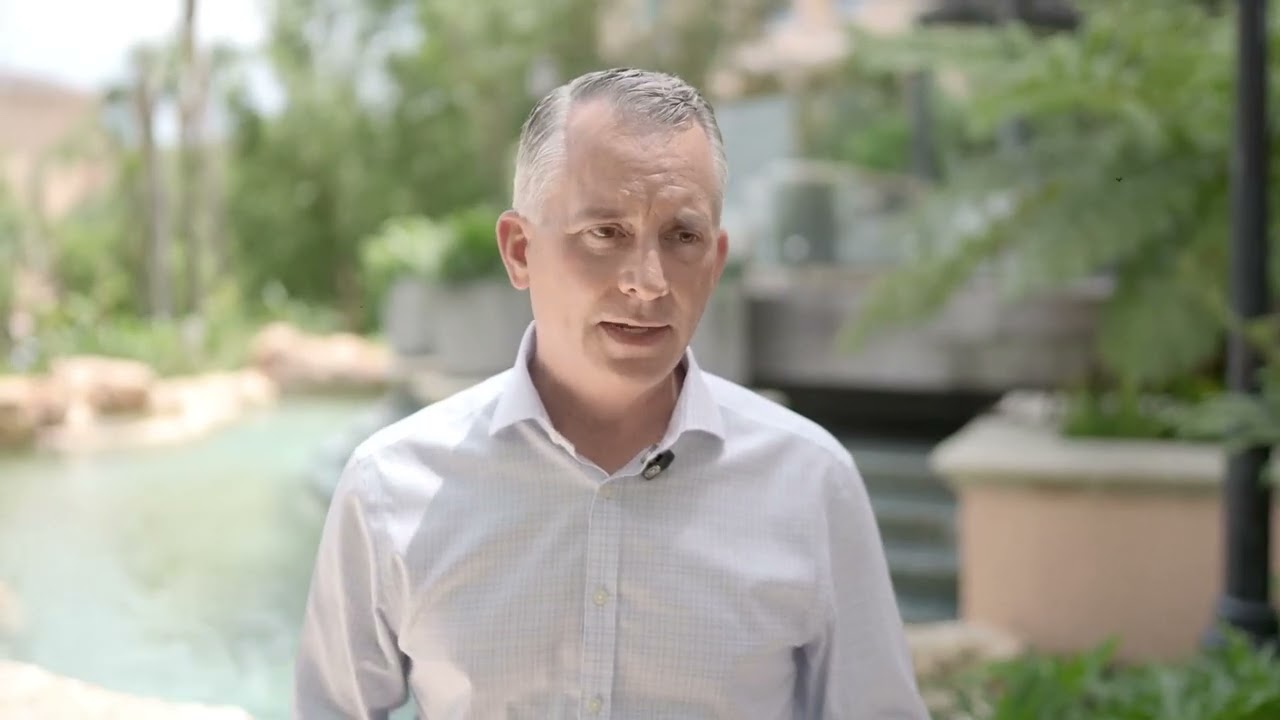
“The environmental impact is something that still, I think, requires further study. Even the protections in place, I think, are insufficient for protection of the water, the aquifer, and what it means to continue to strain an already strained aquifer.”
This is not a small amount of water. The Congressional Research Service, which works for Congress and not for any industry, estimates that a single 100 megawatt data center may directly consume roughly as much water per day as 2,600 households. Across the country, data centers directly used about 17 billion gallons of water in 2023, up from 5.6 billion gallons in 2014.
Project Tango, the campus proposed for western Palm Beach County, was described by its own project manager as 600 megawatts across five buildings.
David calls Florida's aquifer already strained. His position is that you need to find out what a project like that does to the water before you build it, not after.
It changes the neighborhood around it.
“We also know it destabilizes communities, the hyperscale data centers do—devalues real estate.”
Floridians have not waited for Tallahassee to figure out this fact. In Palm Beach County, a hearing on Project Tango ran more than 12 hours and drew more than 80 people who signed up to speak. On July 15, 2026, commissioners voted 5 to 1 to deny it, saying the applicant had not adequately answered questions about noise, water use, traffic, and whether the project fit the area around it. Proposals in Indiantown, Okeechobee County, and Fort Pierce were withdrawn after public opposition. Lakeland published a proposed 12 month moratorium ordinance of its own.
“The people of Florida are rightly concerned that what's going to happen to this neighborhood is going to happen to theirs, and they're demanding that local officials not build these data centers.”
The jobs pitch has not been proven.
“I'm not convinced that the long-term economic impact justifies the building of data centers in the state of Florida. We benefit from construction jobs, but the long-term economic impact has yet to be proven.”
In the state with the most hyperscale data centers, Virginia, the state's own legislative watchdog went and counted. It found that a data center typically employs around 50 people, and that statewide the industry supports roughly 59,000 jobs a year during construction, dropping to roughly 15,000 once the buildings are running. Most of the jobs are in the building, not in the running.
Meanwhile, Florida already exempts the largest data centers from sales tax: a facility with a critical IT load of 100 megawatts or more and at least $150 million in investment.
So, communities are told the project will pay for its own water and power and lift the local economy. David's answer: “I think Florida's voters realize it's all a ruse. What ends up happening is you devalue real estate, you disrupt communities, you raise public health concerns.”
You either lead or you follow.
“Elected politicians, candidates, you either lead or you follow, and rarely do you have the opportunity to do both.”
On data centers, David says this is one of those rare moments. Leading means protecting Florida's environment and its communities. Following means doing what the people who hired you are asking you to do.
“We also need leaders that listen to voters, and voters across the state of Florida right now are saying we don't want data centers.”
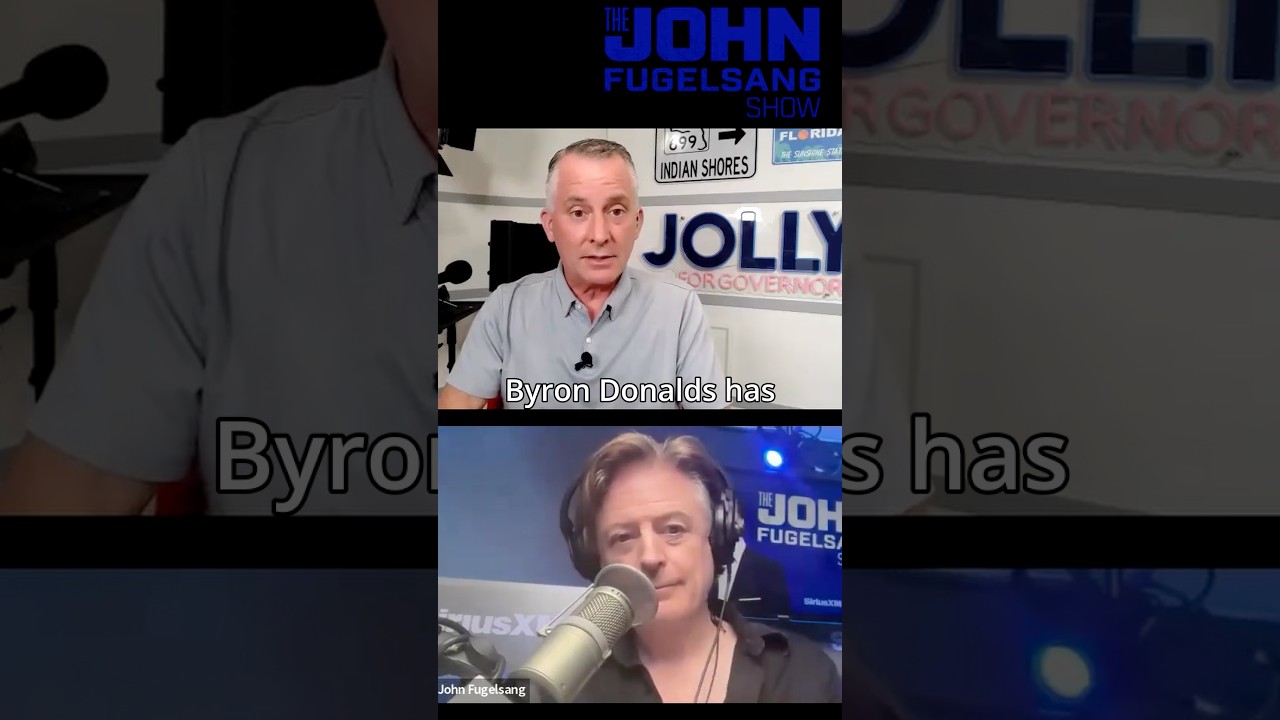
Not everyone in this race agrees. “Our opponents have suggested they want to continue to build them in the state of Florida. That's a disagreement.”
Hear it from David.

Where the numbers come from.
Water use: Congressional Research Service report R49057, Data Centers and Water, July 31, 2026.
Jobs: Virginia Joint Legislative Audit and Review Commission, Data Centers in Virginia, December 2024.
Project Tango: WPTV News Channel 5 and WPLG Local 10, July 15, 2026.
Lakeland: LkldNow via WUSF, July 3, 2026.
The sales tax exemption: section 212.08(5)(r), Florida Statutes.
Protect the water. Protect the neighborhood. Listen to the voters.
“Gwen and I are going to lead the state in an area of environmental protection, of economic integrity, of community resilience, but we're also going to listen to voters who right now are telling us don't build data centers in the state of Florida.”
Frequently asked questions
Q. What is a hyperscale data center?
Hyperscale generally refers to the largest class of data centers, and in Florida the working line is drawn at electrical demand. State law defines a large-scale data center and a large load customer as a single location with an anticipated monthly peak load of 50 megawatts or more, calculated as the highest average load over a 15 minute interval, including colocated tenants at the same site. WPLG Local 10 reported in July 2026 that the many data centers already operating in Miami-Dade County are not hyperscale because none requires 50 megawatts or more. Project Tango was described by its project manager as 600 megawatts across five buildings. The Florida sales tax exemption in section 212.08(5)(r) uses a different and higher threshold, requiring a critical IT load of 100 megawatts or higher plus a cumulative capital investment of at least $150 million.
Q. Are data centers coming to Florida?
Some already exist, and more are proposed. WPLG Local 10 reported in July 2026 that dozens of data centers already operate in Miami-Dade County, but none are hyperscale facilities requiring 50 megawatts or more. Project Tango in Palm Beach County would have been the first hyperscale data center in the state if approved, and it was denied without prejudice on July 15, 2026. Other proposals have moved and stalled across the state. WPTV reported that projects in Indiantown, Okeechobee County and Fort Pierce were withdrawn after public opposition, while others remain under consideration on the Treasure Coast. Lakeland published a proposed 12 month moratorium ordinance in June 2026 and noted the city currently has no large load customers and does not permit data centers under its land use rules. Duke Energy Florida told regulators in September 2025 that it had no large load data center customers.
Q. Did Palm Beach County approve or reject Project Tango?
Palm Beach County commissioners rejected it. On July 15, 2026, after a hearing that ran more than 12 hours and drew more than 80 signed up public speakers, the commission voted 5 to 1 to deny the application without prejudice. Commissioner Maria G. Marino cast the only vote against denial. Mayor Sara Baxter recused herself because the county attorney advised that her earlier public statements opposing the project created a conflict in a quasi judicial proceeding. Denial without prejudice means the developer may revise the proposal and submit it again. Commissioners said the applicant did not adequately answer questions about noise, water use, traffic and compatibility with the surrounding area. The property still holds its previously approved entitlements for more than 2 million square feet of warehouse and data center development, which the vote did not change.
Q. Can Florida cities and counties ban or pause data centers?
Local governments retain land use authority. Section 163.326, Florida Statutes, created by CS/CS/SB 484 in 2026, states that local governments maintain the powers and responsibilities for comprehensive planning and land development regulation with respect to large load customers, and that a large load customer may not be treated as an electric substation, which would have triggered a streamlined approval process. Local governments have used that authority. Palm Beach County adopted a moratorium on AI data centers in early July 2026, though it did not apply to the pending Project Tango application. Lakeland published a proposed ordinance in June 2026 for a temporary 12 month moratorium on applications for data centers and large load customers using more than 50 megawatts a month, with a public hearing set for July 6, 2026, while the city studies land use classifications, development standards and utility impacts.
Q. Will data centers raise my power bill in Florida?
Florida law passed in 2026 is designed to prevent that. CS/CS/SB 484 creates section 366.043, Florida Statutes, which requires public utility tariffs to reasonably ensure that each large load customer bears its own full cost of service, including connection, incremental transmission, incremental generation and other infrastructure costs, and that those costs are not shifted to the general body of ratepayers. It also says the risk of nonpayment may not be borne by other ratepayers. Every public utility had to file a compliant tariff with the Florida Public Service Commission by October 1, 2026. The commission may approve tools such as minimum demand charges, financial guarantees, minimum load factors and take or pay provisions. Whether those protections work in practice will depend on the tariffs the commission approves and on how utilities apply them, which is why the same bill ordered an independent study of rate impacts due July 1, 2027.